

In the world of international trade, free trade zones appear as key tools to reduce costs and speed up the passage of goods, in Spain there are several. If your goal is to import without direct taxation until the goods leave the enclosure, this blog breaks down how they work, what benefits you have and what you should keep in mind.
What is a free zone?

A free zone is a geographically delimited space within the national territory, but for tax and customs purposes it functions as if it were outside the customs territory of the European Union. These areas are governed by specific regulations that allow companies to store, handle, transform or even redistribute goods without having to pay duties, VAT or excise taxes while the products remain within the zone.
Although they are physically located within Spain, free zones operate under a special tax regime. This means that the goods introduced into these areas are not considered officially imported into the EU until they leave the free zone destined for the EU territory for their release for consumption. It is at that moment when the corresponding taxes are settled.
Thanks to this treatment, free zones offer an important competitive advantage at a logistical and financial level, especially for companies that carry out international operations. They make it possible to optimize costs, reduce the fiscal impact and improve inventory management without the need to pay taxes in advance.
Main advantages of free trade zones
1.Tax deferral
Goods stored in a free zone are not subject to customs duties, VAT or excise taxes while they remain in the free zone. This allows companies to improve their liquidity and better plan their tax burden, since they are only taxed when they decide to introduce the products into the EU market.

2. Handling without immediate tax cost
Within a free zone it is possible to carry out operations such as repackaging, labeling, assembly or transformation of goods without these actions generating the accrual of taxes. This advantage is especially useful for companies that need to adapt their products before their final distribution.
3. Facilitates international distribution
Free trade zones function as strategic logistics platforms. From them, goods can be redistributed to other countries without having to pay taxes in Spain, which reduces costs and simplifies management for companies with global operations.
4. Improved competitiveness
By reducing tax burdens and facilitating customs processes, free trade zones allow companies to operate with greater agility and efficiency. This translates into a clear competitive advantage in sectors where margins are tight and speed in logistics is key.
Who can use an FTZ?
Free trade zones are available to both national and international companies, as long as their operations are carried out outside the tax area of the European Union or involve trade within the EU. There are no specific restrictions by economic sector, which means that industrial, commercial or service companies can access these areas, provided they have the appropriate authorization from the corresponding customs authorities.
Regulatory regime in Spain
Free zones within the European Union are mainly governed by the European Union Customs Code and its associated regulations, which establish the basic rules for their operation. In Spain, in addition to these European regulations, relevant national laws apply, such as the VAT Law and the Special Taxes Law, which detail the conditions and requirements for operating in these enclosures, defining the permitted activities and related tax obligations.
Representative examples of free trade zones in Spain
- Cadiz Free Trade Zone: Recognized for allowing the handling and transformation of goods without the obligation to pay taxes until the moment of customs clearance. In addition, it stands out for not requiring customs guarantees, which facilitates its operation and offers tax and customs advantages.
- Barcelona and Vigo Free Trade Zones: Both historically important and strategically located, these zones have 24-hour customs clearance services, advanced logistics infrastructure and favorable conditions for manufacturing and service companies seeking to optimize their international operations.
Permitted activities
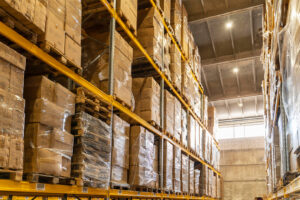
Free trade zones allow the development of a wide variety of operations, ranging from specialized warehousing to merchandise transformation processes. It is important to note that these goods cannot be destined for local consumption without first passing through the corresponding customs clearance. However, the customs authorities have the power to limit certain activities if they consider that they involve risks in terms of customs control.
Conclusion
Spanish free trade zones are first class logistic and fiscal infrastructures if you know how to take advantage of them. Importing without paying duties or VAT until the goods are destined for consumption allows you to reduce costs, make your logistics more flexible and add value. But it does require rigorous customs management and strategic planning.
For companies that import, assemble or distribute, a free zone can be a real competitive advantage. Accurate and up-to-date information on these processes is key, and organizations such as INTPS offer resources and expertise that can help to better understand this complex environment. However, it is critical to thoroughly assess the regulations, operation and associated costs before jumping in.